


 +852 6359 4657


 Language
 News


Position:Home > News > Industry News > Custom vs. Standard Industrial Machined Parts: Which Is Better for Your Project?
Custom vs. Standard Industrial Machined Parts: Which Is Better for Your Project?
Time: Jan 21,2026
Source:
Click Count:155
In industrial manufacturing, selecting the right components is just as important as designing the product itself. One of the most common decisions engineers and procurement managers face is whether to use standard industrial machined parts or invest in custom-made components. Each option offers distinct advantages, and the right choice depends on performance requirements, production volume, cost targets, and long-term product strategy.
This article explores the differences between custom and standard machined parts, their respective benefits, and how specialized manufacturers such as Dongguan Mingyuda Electronic Technology Co., Ltd. support both approaches with precision connector and metal component solutions.
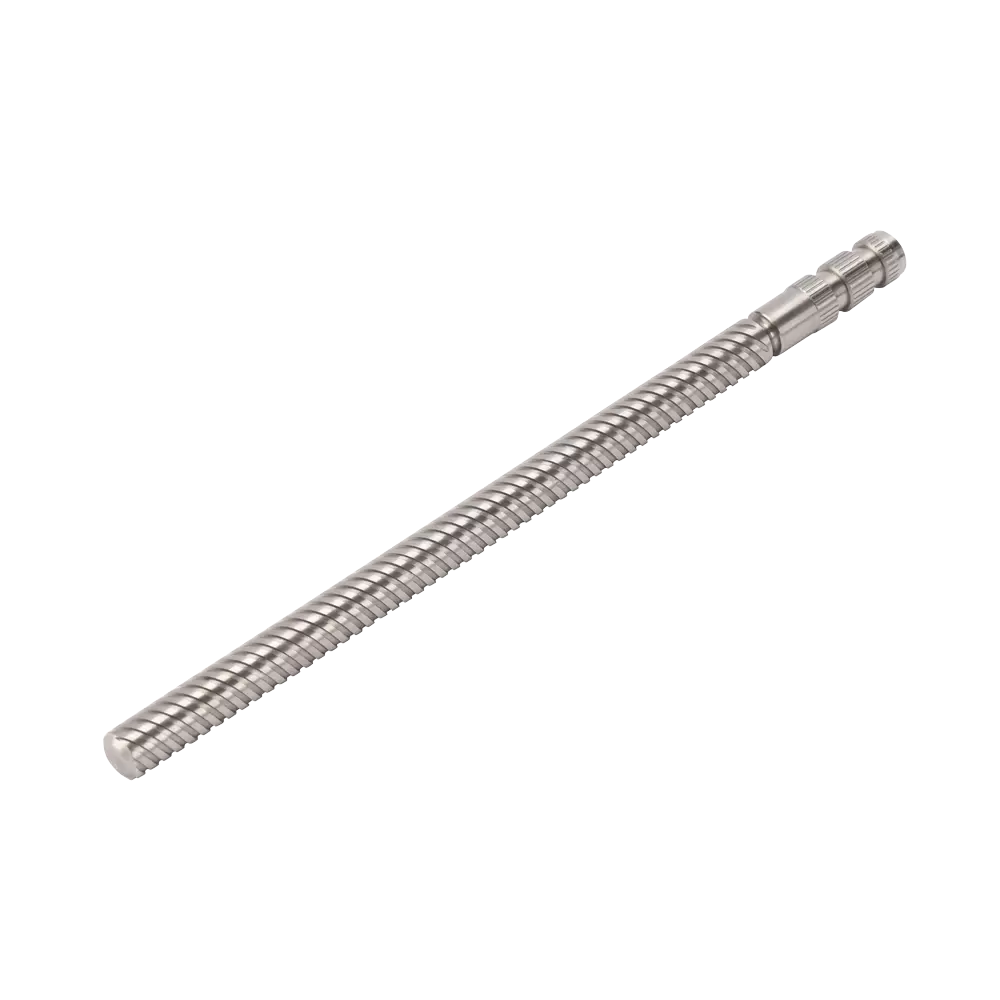
Understanding Standard Industrial Machined Parts
Standard machined parts are off-the-shelf components manufactured according to widely accepted industry specifications. These parts are typically produced in large volumes and stocked by suppliers for immediate delivery.
Advantages of Standard Parts
Short Lead Time: Readily available inventory allows faster procurement and shorter development cycles.
Lower Unit Cost: Mass production reduces manufacturing and tooling expenses.
Proven Reliability: Standard components are often well-tested across many applications.
Simplified Supply Chain: Easier sourcing from multiple vendors improves supply stability.
Standard parts are ideal for applications with conventional requirements, moderate precision needs, and high-volume production where cost control is a priority.
When Standard Parts May Fall Short
Despite their convenience, standard parts may not always meet the demands of modern industrial systems.
Limited Design Flexibility: Fixed dimensions and materials restrict optimization.
Performance Constraints: Standard tolerances or contact forces may not satisfy high-speed, high-current, or harsh-environment applications.
Integration Challenges: Poor fit with surrounding components can increase assembly time and reduce system reliability.
In advanced industries such as aerospace, medical devices, and high-density electronics, these limitations often lead manufacturers to consider custom solutions.
The Value of Custom Industrial Machined Parts
Custom machined parts are designed and manufactured specifically for a particular application. They allow engineers to tailor geometry, materials, tolerances, and surface treatments to exact system requirements.
Key Benefits of Custom Parts
Optimized Performance: Precise dimensions and contact structures improve electrical conductivity, mechanical stability, and signal integrity.
Better System Integration: Custom shapes ensure perfect alignment with mating components and housings.
Material and Coating Flexibility: Specialized alloys and surface treatments enhance corrosion resistance, wear performance, and lifespan.
Design Differentiation: Unique components protect intellectual property and strengthen product competitiveness.
Custom parts are especially valuable in connector systems, sensor assemblies, and medical devices where reliability and precision directly affect product success.
Dongguan Mingyuda: Supporting Both Standard and Custom Solutions
Dongguan Mingyuda Electronic Technology Co., Ltd. focuses on the research and development of precision hardware components for connectors, providing comprehensive system solutions for customers across multiple industries.
The company designs and manufactures a wide range of industrial machined and stamped parts, including:
Spring probes and crown spring probes
Precision connector pins
Screws and nuts for connector housings
Cable sealing sleeves and grommets
Aviation connector terminals
Custom-shaped terminals
Metal terminal sensor components
Medical device accessories
Cable stamping parts
This diversified product portfolio allows Mingyuda to supply both standardized components and highly customized solutions tailored to specific application requirements.
Comparing Custom and Standard Parts Across Key Factors
Performance Requirements
If your application demands high precision, stable contact force, or operation in extreme environments, custom parts often provide superior performance. Standard parts are sufficient for general-purpose applications with moderate technical demands.
Production Volume
Standard parts are more cost-effective for high-volume production. Custom parts are ideal for low-to-medium volumes, prototypes, and specialized systems where performance outweighs unit cost.
Development Time
Standard parts enable faster time-to-market. Custom parts require additional design, tooling, and validation time but may reduce long-term optimization and redesign efforts.
Cost Structure
Standard parts offer lower upfront cost. Custom parts involve tooling and engineering investment but can reduce total system cost by improving yield, reliability, and assembly efficiency.
Long-Term Scalability
Custom designs can be optimized for automation and mass production once volumes grow, providing better long-term manufacturing stability.
The Role of Design-to-Manufacturing Integration
The success of custom machined parts depends heavily on early collaboration between design engineers and manufacturing specialists. Mingyuda supports customers through the entire development process by offering:
Design feasibility analysis
Tolerance and structure optimization
Material and plating recommendations
Prototype development and testing
Scalable mass production planning
This integrated approach reduces design risk, shortens development cycles, and ensures stable quality in large-scale production.
Typical Applications Favoring Custom Parts
Custom industrial machined parts are commonly used in:
High-density connector systems
Aviation and military connectors
Medical instruments and implants
Precision sensor assemblies
High-speed data transmission interfaces
Miniaturized electronic devices
In these applications, even small dimensional deviations can cause signal loss, mechanical failure, or system instability.
Making the Right Choice for Your Project
Choosing between custom and standard machined parts is not a simple cost decision—it is a strategic engineering choice. Consider the following questions:
Are performance and reliability critical to your product success?
Does your design require non-standard geometry or materials?
Will customization reduce assembly time or improve automation compatibility?
Is long-term differentiation more important than short-term savings?
Often, the optimal solution combines both approaches: standard parts for general functions and custom components for critical interfaces.
Conclusion
Both custom and standard industrial machined parts play important roles in modern manufacturing. Standard components offer speed and cost efficiency, while custom parts deliver optimized performance, system integration, and competitive advantage.
With its deep expertise in precision connector hardware and metal components, Dongguan Mingyuda Electronic Technology Co., Ltd. helps customers evaluate, design, and manufacture the right solution for every project. By aligning component strategy with product requirements, manufacturers can achieve higher quality, better efficiency, and long-term success in increasingly demanding industrial markets.
Share:


-
 07/29/2025Top 6 Advantages of Using Circular Connectors in Harsh EnvironmentsIn industries where equipment must operate under extreme conditions—such as dust, moisture, vibration, or temperature fluctuations—the reliability of electrical connections becomes a critical concern. One of the most trusted solutions for maintaining stable, secure connections in such demanding environments is the circular connector.Learn More
 -
 06/11/2025Durability and Functionality: The Ultimate Guide to Quality Military AccessoriesMilitary accessories are more than just gear—they are critical tools designed to perform reliably in extreme conditions. Whether it’s rugged communication devices, tactical wearables, or advanced sensors, the durability and functionality of these accessories directly impact mission success and user safety.Learn More
 -
 12/30/2025How to Choose the Right Manufacturers of Precision Hardware for Your Business NeedsIn today’s competitive industrial landscape, choosing the right manufacturer of precision hardware is essential for ensuring product quality, reliability, and overall operational efficiency. Precision hardware components—such as connector pins, springs, screws, and custom-shaped terminals—are critical in industries ranging from electronics and aerospace to medical devices and industrial automation.Learn More
