


 +852 6359 4657


 Language
 Solutions

SIDEBAR
Why do we provide surface treatment services?
~30 years Connector terminal manufacturing | 3–50 µin Gold plating film thickness | 5 processes Gold, silver, chrome, iridium and anodizing | One-stop CNC machining and surface treatment |
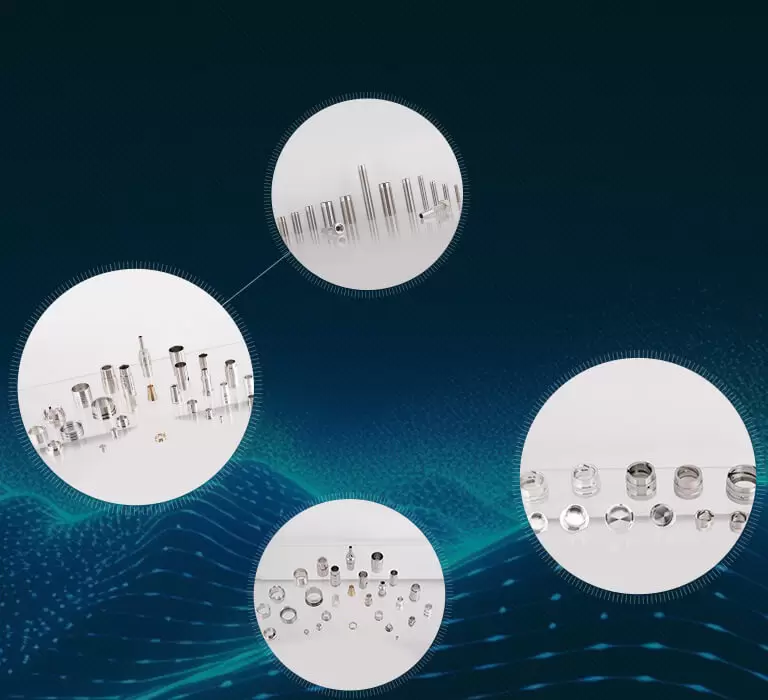
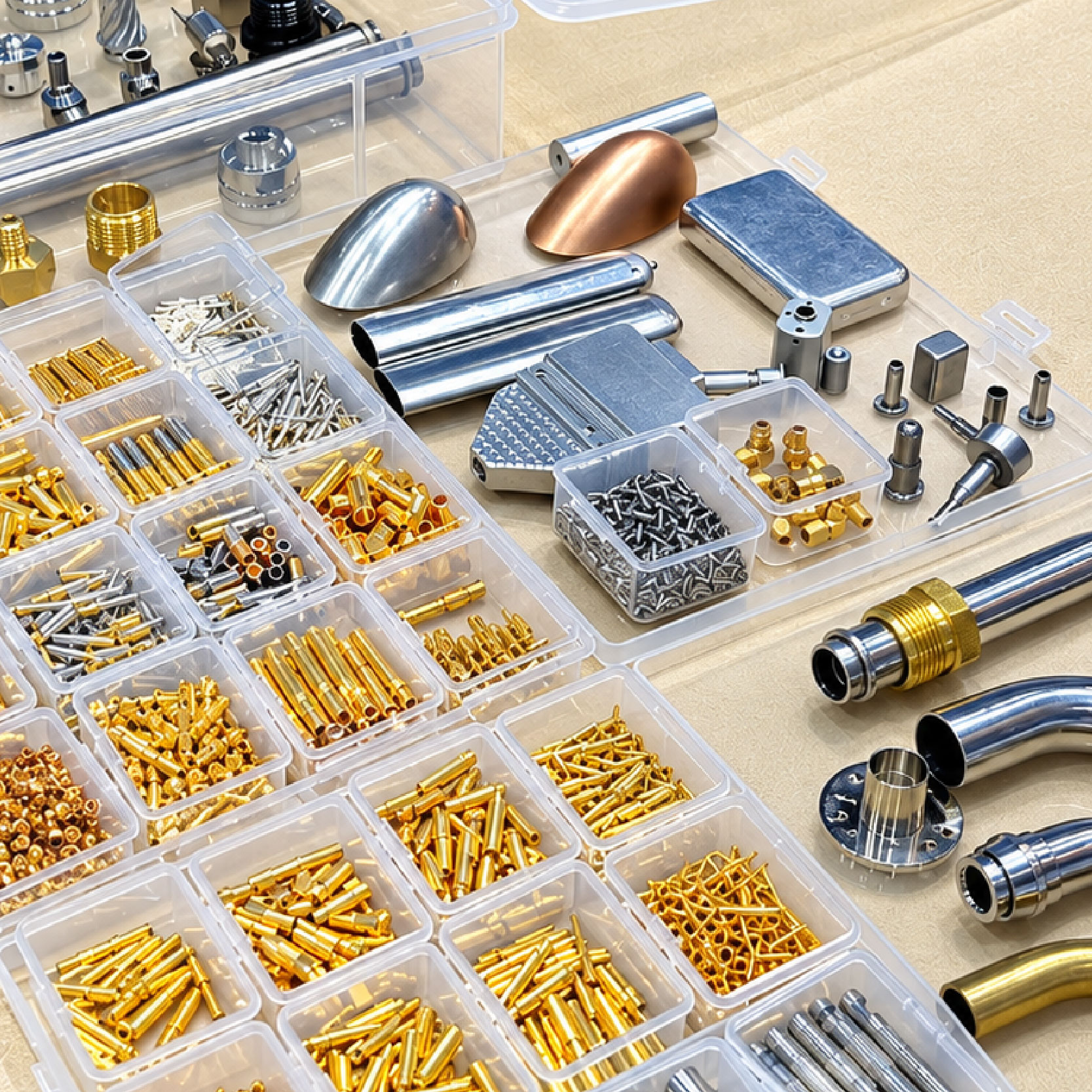
We have been specializing in the production of various wire harness connector terminals, connectors, and connector screws and nuts for nearly 30 years.
In the process, many customers have required us to perform CNC machining followed by surface treatment.
We are a one-stop manufacturer with a deep understanding of connector terminals that sets us apart from others in the industry.
Typically, the coating requirements from our customers, such as the film thickness for gold-plated terminals, range from approximately 3 microinches to 50 microinches, depending on the product's application scenario and customer requirements.
We commonly provide surface treatments such as gold plating, silver plating, chrome plating, iridium plating, and anodizing.
Other requirements? If you have other requirements, please contact our sales personnel via email or WhatsApp for further information. |
We can provide products either without electroplating or after electroplating to our customers.
We have extremely strict requirements for product appearance, because before electroplating, any dents, scratches, or tool marks on the surface will greatly affect the product's potential performance.
At the same time, we also take into consideration that some components are appearance-related parts. In the final wire harness product, defective components will affect sales, so we control this very strictly.
Technical Popularization
Which applications typically require precious metal plating?
Precious metal plating is widely used in high-reliability and high-performance fields such as aerospace, medical devices, telecommunications, and automotive electronics.
Precious metal plating is a technique that involves overlaying a surface with valuable metals such as gold, palladium, and their alloys, typically over a base layer of nickel.
01 Porosity and Contact Life Porosity in precious metal plating impacts both the durability and contact life of terminals. During the plating process, nucleation leads to the formation of a porous film, which diminishes as the plating becomes thicker. |
02 Surface Defects Certain defects, such as inclusions or insufficient lubrication during plating, may expose the substrate and negatively affect the terminal's longevity. |
03 Wear Resistance and Durability To improve resistance to wear, gold plating can be enhanced with the addition of hardening agents like cobalt. Furthermore, the use of palladium-nickel alloys contributes to long-term durability. |
04 Nickel Underlayers Nickel underlayers serve crucial roles. They not only safeguard the substrate from external conditions but also provide an essential foundation for precious metal coatings. |
