


 +852 6359 4657


 Language
 News


Position:Home > News > Industry News > Fiber Optic Hardware Installation Tips for Maximizing Network Performance
Fiber Optic Hardware Installation Tips for Maximizing Network Performance
Time: Mar 04,2026
Source:
Click Count:70
As demand for high-speed data transmission continues to grow across data centers, telecommunications networks, industrial automation systems, and smart infrastructure, fiber optic technology has become the backbone of modern connectivity. However, even the highest-quality fiber optic components cannot deliver optimal performance without proper hardware installation.
From connectors and terminals to cable management and protective components, every detail matters. Below are practical fiber optic hardware installation tips to help maximize network performance, reliability, and long-term stability.
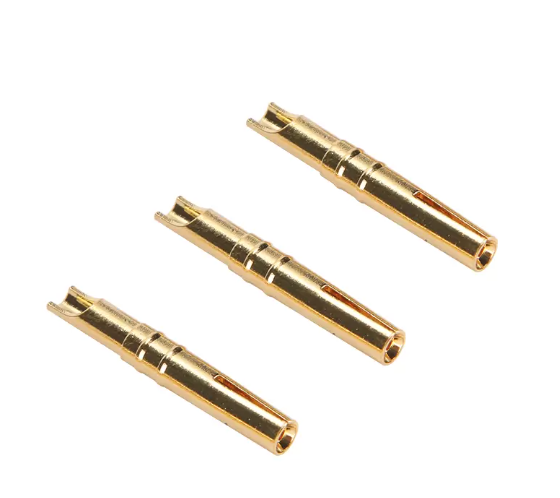
1. Select High-Precision Connector Components
Signal loss in fiber optic systems often occurs at connection points. Precision hardware components ensure secure alignment and stable signal transmission.
When installing fiber optic connectors:
• Use high-precision connector pins and terminals
• Ensure tight mechanical tolerances
• Avoid misalignment between mating components
• Verify compatibility between connector housings and fiber cores
Even microscopic deviations can increase insertion loss or return loss, affecting overall network performance.
2. Maintain Proper Cable Routing and Bend Radius
Fiber optic cables are sensitive to bending and mechanical stress. Improper routing can cause signal attenuation or even permanent damage.
Best practices include:
• Respecting the minimum bend radius specified by the manufacturer
• Avoiding sharp turns and excessive tension
• Using appropriate cable sealing sleeves for environmental protection
• Securing cables without over-tightening
Proper cable management protects both signal quality and hardware longevity.
3. Ensure Cleanliness During Installation
Contamination is one of the leading causes of fiber optic signal degradation. Dust, oil, or metal particles on connectors can significantly impact performance.
Installation tips:
• Clean fiber connectors before termination
• Use lint-free wipes and approved cleaning solutions
• Keep connector end faces protected when not in use
• Avoid touching polished fiber surfaces
Clean installation environments dramatically reduce insertion loss and system instability.
4. Use Durable and Corrosion-Resistant Hardware
In industrial and outdoor applications, environmental conditions can challenge fiber optic installations. Selecting corrosion-resistant screws, nuts, terminals, and sealing components helps maintain structural integrity.
For example:
• Stainless steel fasteners prevent rust in humid environments
• Precision metal terminals ensure stable conductivity
• Proper cable glands protect against dust and moisture
High-quality hardware components are essential for maintaining long-term performance in demanding conditions.
5. Optimize Connector Termination and Locking Mechanisms
Secure mechanical locking prevents micro-movements that can cause signal fluctuation.
Ensure:
• Correct torque application during installation
• Proper engagement of locking systems
• Stable mounting of connector housings
• Reinforced strain relief at cable entry points
Stable termination reduces vibration-related signal loss in environments such as industrial automation or transportation systems.
6. Plan for Heat and Mechanical Stress Management
In high-density network environments such as data centers, thermal management is critical. Excessive heat can affect connector performance and hardware durability.
Installation considerations:
• Maintain adequate airflow around connection panels
• Avoid overcrowding cable pathways
• Use structured cable organization systems
• Design for easy maintenance access
Good planning during installation improves both performance and future scalability.
7. Partner with a Reliable Precision Hardware Manufacturer
The performance of fiber optic systems depends not only on fiber cables but also on the precision metal components used in connectors and assemblies.
Dongguan Mingyuda Electronic Technology Co., Ltd. is dedicated to the research and development of precision hardware components for connectors, providing customers with comprehensive system solutions. The company designs and manufactures a wide range of products, including spring pins, crown spring pins, precision connector pins, screws and nuts for connector housings, cable sealing sleeves, aviation connector terminals, custom-shaped terminals, various metal terminal sensor components, medical device accessories, and cable stamping parts.
These precision components play a critical role in ensuring secure mechanical structure, stable electrical performance, and reliable long-term operation in fiber optic and electronic systems.
Working with an experienced hardware manufacturer ensures:
• Strict quality control
• High machining accuracy
• Customization capabilities
• Consistent material performance
• Reliable supply chain support
8. Conduct Post-Installation Testing and Inspection
After installation, always perform:
• Optical power testing
• Insertion and return loss measurement
• Visual inspection of connector interfaces
• Mechanical stability checks
Testing verifies that hardware installation meets performance standards before the network goes live.
Final Thoughts
Fiber optic networks demand precision, cleanliness, and structural stability. Proper installation of hardware components—including connectors, terminals, fasteners, and sealing systems—directly affects signal quality and overall network reliability.
By following best practices in cable management, cleanliness control, mechanical stability, and component selection—and by partnering with experienced precision hardware manufacturers—network installers and engineers can maximize fiber optic system performance while ensuring long-term durability and scalability.
In today’s high-speed digital environment, attention to hardware installation details makes the difference between average performance and truly optimized network connectivity.
Share:


-
 06/11/2025Military Accessories Maintenance Tips to Ensure Long-Lasting PerformanceMilitary accessories are built to endure some of the harshest environments on earth. From rugged tactical gear to advanced electronic components, these tools play a vital role in operational success and personnel safety. However, even the highest-quality equipment requires proper maintenance to ensure it remains reliable and functional over time.Learn More
 -
 03/17/2026Lock Core Type Smart Home Door Lock vs Traditional Locks: Why Upgrade TodayAs home security technology continues to advance, more homeowners are upgrading from traditional mechanical locks to smart door locks. While features like fingerprint access and mobile control often get the spotlight, one of the most important aspects remains the lock core type.Learn More
 -
.webp) 11/06/2025Enhancing Performance with High-Quality Circular Connectors AccessoriesIn modern industrial and electronic applications, the reliability and efficiency of circular connectors are critical. While the connector itself is essential, the accessories used alongside it—such as pins, seals, screws, and specialized terminals—play a decisive role in ensuring long-term performance and stability.Learn More
11/06/2025Enhancing Performance with High-Quality Circular Connectors AccessoriesIn modern industrial and electronic applications, the reliability and efficiency of circular connectors are critical. While the connector itself is essential, the accessories used alongside it—such as pins, seals, screws, and specialized terminals—play a decisive role in ensuring long-term performance and stability.Learn More
